
 Tiếng Việt
 日本語
日本語
A Fleet Management System brings data from multiple sources together on a single platform, enabling businesses in the transportation and passenger transport sectors to monitor, analyze, and manage their fleet operations more effectively and comprehensively.
Fleet management requires businesses to monitor vehicles, drivers, and a wide range of operational data at the same time. When this information is managed across multiple separate tools, the data can easily become fragmented and difficult to compare.
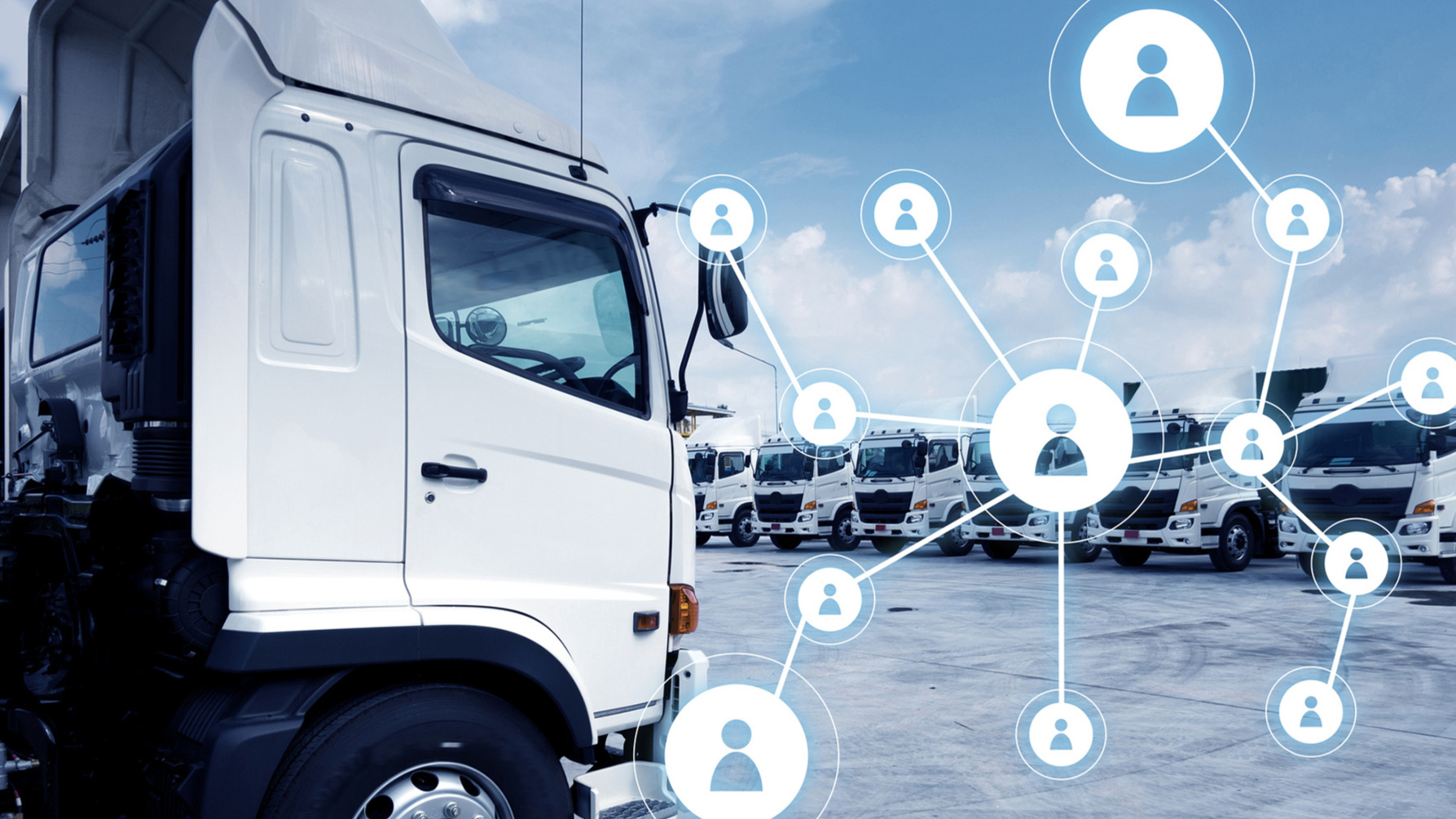
What is Fleet Management System?
Fleet Management System (FMS) is a system that allows businesses to collect, manage, and analyze data related to drivers, vehicles, and fleet operations.
Depending on its configuration, The Fleet Management System can support vehicle tracking, driver management, maintenance, fuel monitoring, cost management, and compliance requirements throughout fleet operations.
The system receives data from devices installed on or connected to vehicles. This data is then transmitted through the connectivity infrastructure to the management platform for processing, storage, and visualization. Data sources may include vehicle location, speed, vehicle status, images, and events during operations.
Through Fleet Management System, fleet managers can easily monitor information from multiple vehicles on a single platform, rather than having to consolidate data from multiple separate sources.
How has Fleet Management System evolved over time?
The transportation industry has existed for centuries, driven by the basic human need to support trade across different regions of the world. The operation and management of vehicles across multiple routes therefore existed long before Fleet Management System were introduced.
Initially, information on vehicles, drivers, routes, fuel, and maintenance was primarily managed through records, paperwork, and spreadsheets.
As computer technology became more widely adopted, this information was gradually digitized and stored in a more structured format. In the 1960s, mainframe computers began to be used in fleet management to automate management processes.
However, data was still largely entered and processed after fleet operations had already taken place.
GPS and Wireless Connectivity bring vehicle data into Management System
The development of GPS, Internet, and Wireless data transmission technology has brought a significant change to fleet management. Businesses could receive data from vehicles during operations instead of relying entirely on manually recorded information.
GPS allowed businesses to determine vehicle location, speed, and trip history.
When combined with cellular connectivity, data from vehicles could be transmitted to management systems more frequently.
As a result, functions such as vehicle tracking, trip monitoring, and dispatching support became common components of Fleet Management System.
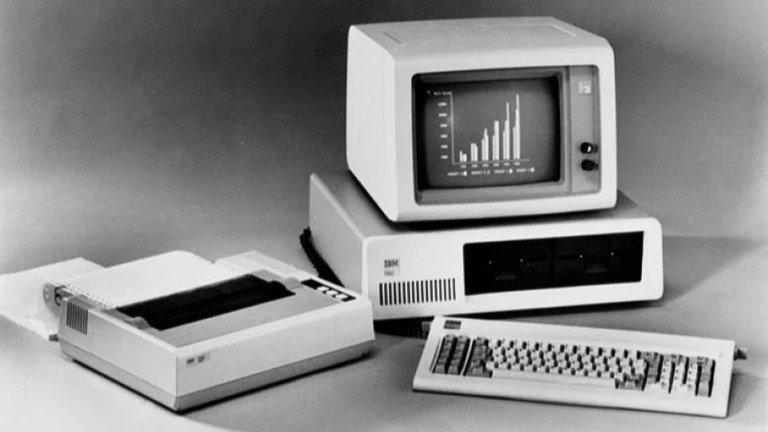
Telematics/Video telematics extends the data of Fleet Management System.
Following the major technological developments of the early 2000s, the growing adoption of Wireless data and GPS brought significant changes to fleet management. As businesses faced increasing demands to control cash flow and fleet-related costs, there was a greater need to optimize fleet management rather than simply rely on location-based technologies.
Telematics is a combination of telecommunications and informatics that enables data to be collected from vehicles through Electronic Control Units (ECUs), sensors, or onboard devices. Often combined with GPS, telematics allows this data to be transmitted over wireless networks to a management system for processing and analysis.
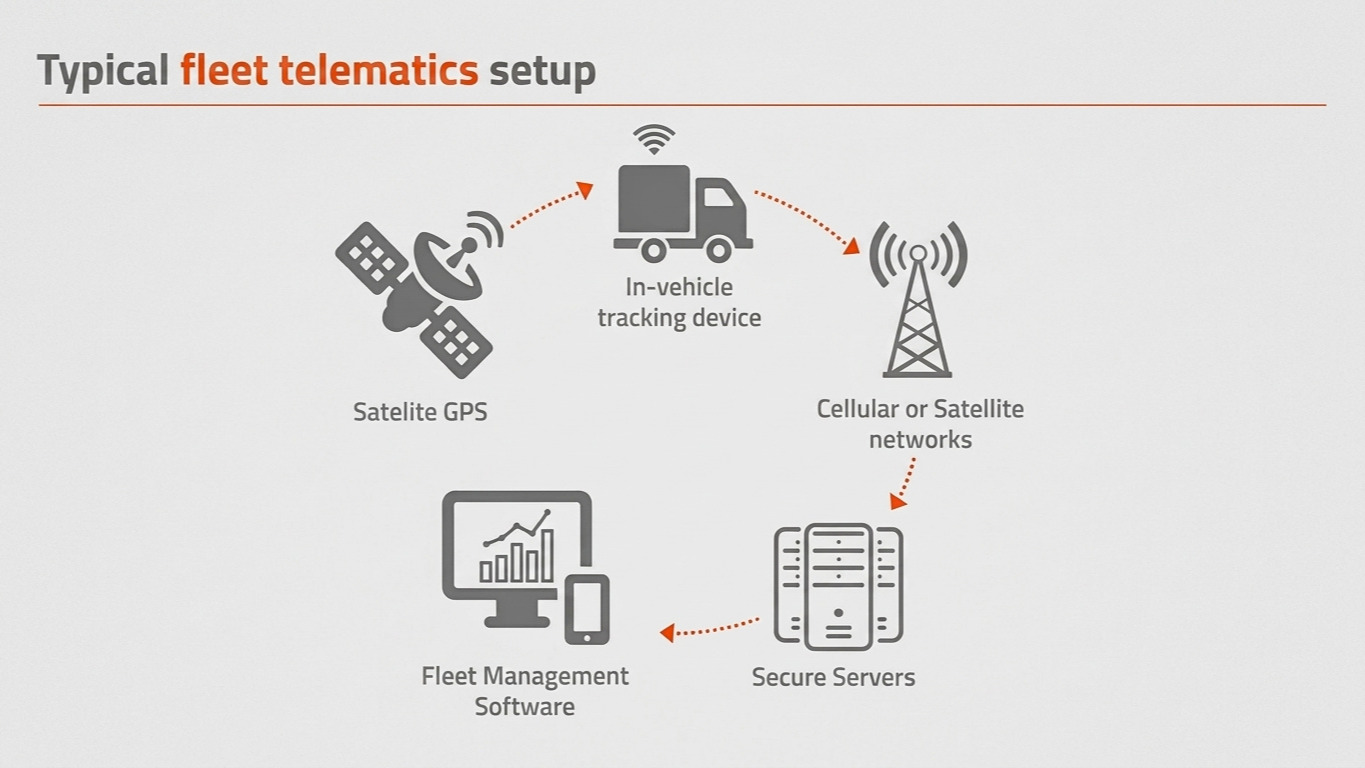
The development of telematics expanded the range of data that Fleet Management System could receive, depending on their configuration. Automatically updated data from vehicles could support fleet operations, marking a shift away from manually entering vehicle data.
As telematics became more widely adopted, many businesses found that digital data alone was sometimes not enough to investigate incidents, accidents, or claims in detail. They needed additional “visual context” to understand what had actually happened on the road or inside the cabin at the time of an event.
The development of compact cameras, mobile bandwidth, and edge AI has enabled Video telematics to emerge as an extension of telematics. Often integrated with AI, Video telematics can detect risky behaviors and situations.
When an event happens, fleet managers can use images or video to better understand the context, rather than relying solely on driver reports or basic data such as vehicle location and speed.
Cloud and SaaS – connect data on a single platform.
As the number of data sources increased, fleet management needs also shifted from simply collecting data to connecting and using data within the same workflow.
Cloud computing and the Software as a Service (SaaS) model enabled Fleet Management System to consolidate data from multiple vehicles and provide functions such as tracking, dispatch, alerts, and reporting on a single platform.
Through this evolution, Fleet Management System developed from standalone tools for data storage and tracking into integrated systems capable of connecting different data sources to support fleet management.
What are the components of a Fleet Management System?
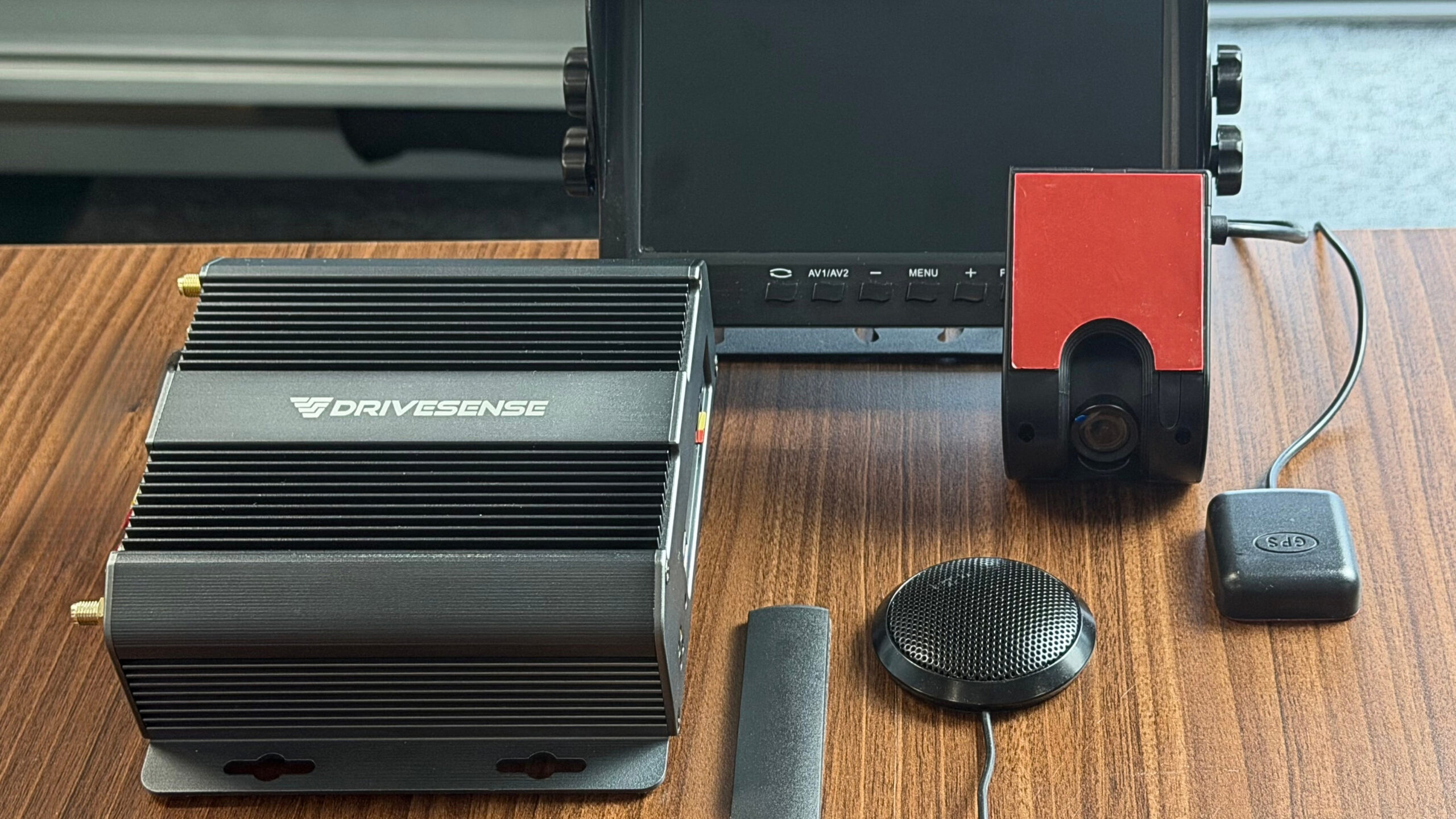
A modern Fleet Management System consists of two main components: Hardware – installed on or connected to vehicles, and Software – receives, processes, and displays the collected data.
The capabilities of a Fleet Management System depend on the data collected by its hardware and how the software platform uses that data.
Hardware Components
Hardware refers to the physical devices installed on or connected to vehicles to collect data and support monitoring during operations. Depending on the configuration and operational requirements of each business, a Fleet Management System may include different types of hardware.
Common hardware components include:
GPS Tracking Devices
GPS/GNSS tracking devices receive satellite signals to determine a vehicle’s location and transmit the data to the management system through cellular networks or other connectivity methods.
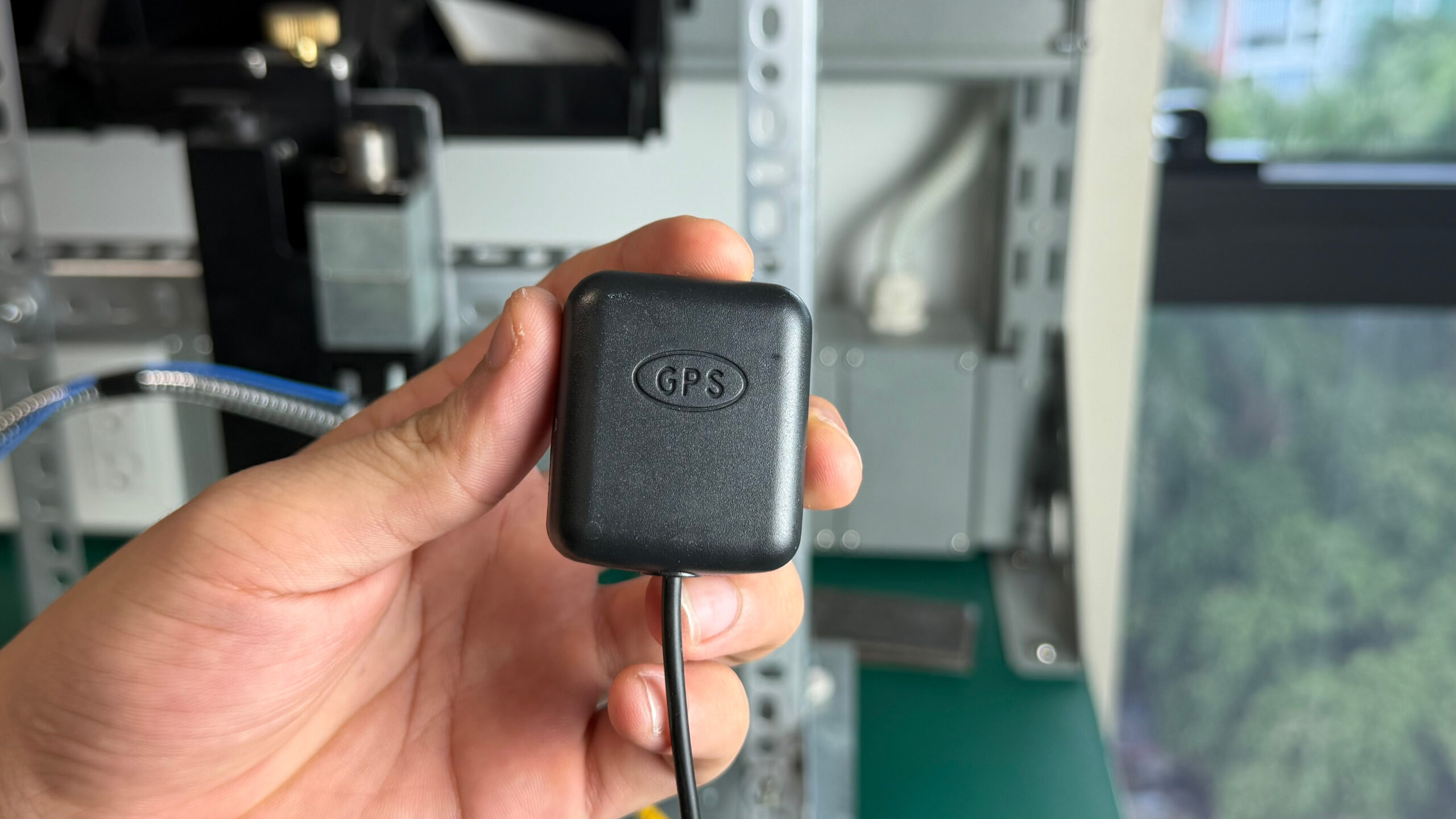
Within a Fleet Management System, location data enables vehicle tracking, trip history, speed monitoring, and real-time vehicle location visualization on digital maps.
When integrated with mapping data, the system can also enable advanced functions such as geofencing and route deviation detection.
Telematics Control Units (TCUs)
TCU is a central component of a vehicle’s telematics system, responsible for collecting, processing, and transmitting data between the vehicle and the management platform.
TCU can connect to multiple data sources, including GPS, OBD-II, CAN bus, and onboard sensors. It can also use cellular connectivity, Wi-Fi, or other data transmission methods to send vehicle information to The Fleet Management System.
Depending on its configuration, a TCU can support functions such as real-time data transmission, two-way communication with the management platform, and remote software updates.
On-board diagnostics units (OBD-II) and Controller Area Network Bus (CAN Bus)
OBD-II is an electronic interface in vehicles that allows external devices to connect to the vehicle and access information about its status and operation.
Depending on the vehicle type and the data available, a Fleet Management System can receive information such as speed, engine RPM (revolutions per minute), mileage, and diagnostic trouble codes through an OBD-II connection.
At a deeper level, CAN Bus is an internal communication network that enables electronic control units (ECUs) within a vehicle to exchange data. When integrated into a telematics system, CAN Bus data can provide additional information about the vehicle’s status and operation.
These connections allow a Fleet Management System to access more detailed vehicle data beyond basic location tracking.
Dashcams and Mobile Digital Video Recorder (MDVR box)
Dashcams are cameras installed on a vehicle to record video from one or more specific viewing angles, most commonly the road ahead and the cabin area. The footage is stored on the device or its associated storage media.
In a Fleet Management System, data from video can be used to review and verify events that occur during a trip. Some systems also support transmitting images or video footage to the management platform.
For multi-camera configurations, an MDVR (Mobile Digital Video Recorder) can receive, record, and manage multiple video streams on the same vehicle.
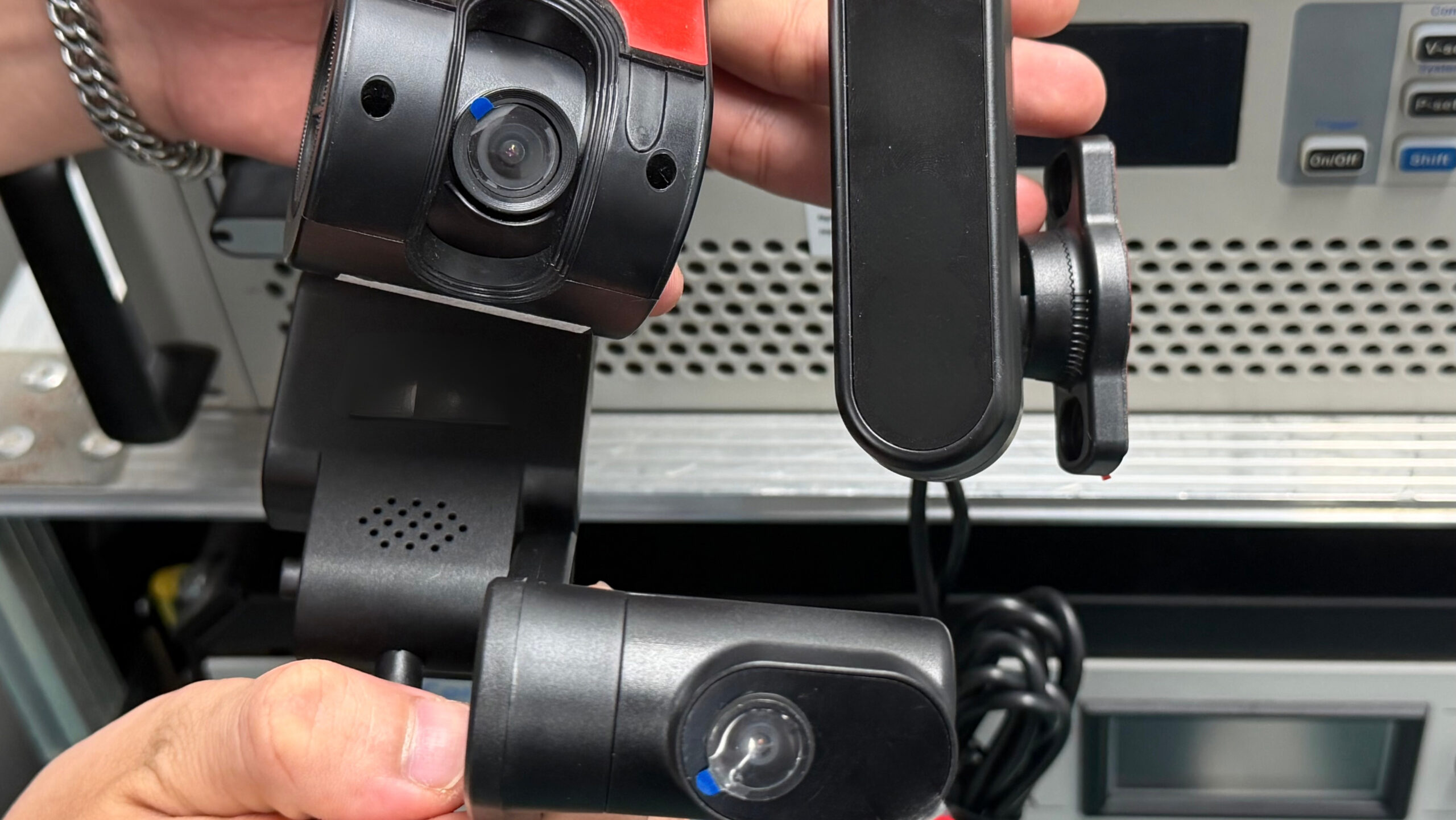
Data from video can also be combined with location, speed, and event timestamps to provide additional context for fleet monitoring.
Cameras can also integrate with DMS (Driver Monitoring System) and OMS (Occupant Monitoring System) to provide a comprehensive visibility inside the vehicle cabin. With Edge AI, image data can be processed directly on the vehicle, enabling real-time detection of conditions that require an alert.
Vehicle Sensors
Sensors are devices that provide data on specific vehicle conditions or parameters. Depending on the vehicle type and operational requirements, a Fleet Management System can receive data from fuel level, temperature, door, load, and other specialized sensors.
For example, fuel level sensors are installed inside or mounted on the fuel tank to measure the actual fuel level in the vehicle. When combined with mileage and operational data, this information can help businesses monitor fuel consumption and identify unusual fluctuations.
Electronic Logging Device (ELD)
ELD is an electronic device designed to automatically record a commercial driver’s Hours of Service (HOS) to help ensure compliance with regulations on driving and rest periods.
An ELD connects directly to the vehicle’s engine control system, typically through the OBD port, to automatically record driving time, engine hours, mileage, and other relevant data. This information is used to automatically generate the driver’s duty status records in accordance with applicable regulations.
The primary purpose of an ELD is to ensure compliance with HOS requirements, along with related monitoring and reporting functions.
In-cabin Screen and Alert devices
Not all hardware installed on a vehicle is designed to collect data. Some devices deliver information from The Fleet Management System directly to drivers, providing a communication channel between the system and vehicle users.
In–cabin screens provide drivers with essential information such as routes, vehicle status, dispatch instructions, and trip-related information.
Speakers or alert devices can provide audible signals when the system detects events that require the driver’s attention. These devices allow data from The Fleet Management System to be used directly during operations, rather than serving only fleet managers at a central location.

Other Peripheral Devices: Cellular Modems, Wi-Fi, and Network Devices
Network connectivity devices provide the communication link that enables data collected from the vehicle to be transmitted to the management platform.
Cellular modem is an electronic device that converts signals from cellular networks such as 3G, 4G LTE, and 5G. It is commonly integrated into devices such as TCUs, GPS trackers, MDVRs, and ELDs, allowing vehicle location, telematics, and video data to be transmitted to the management system in real time.
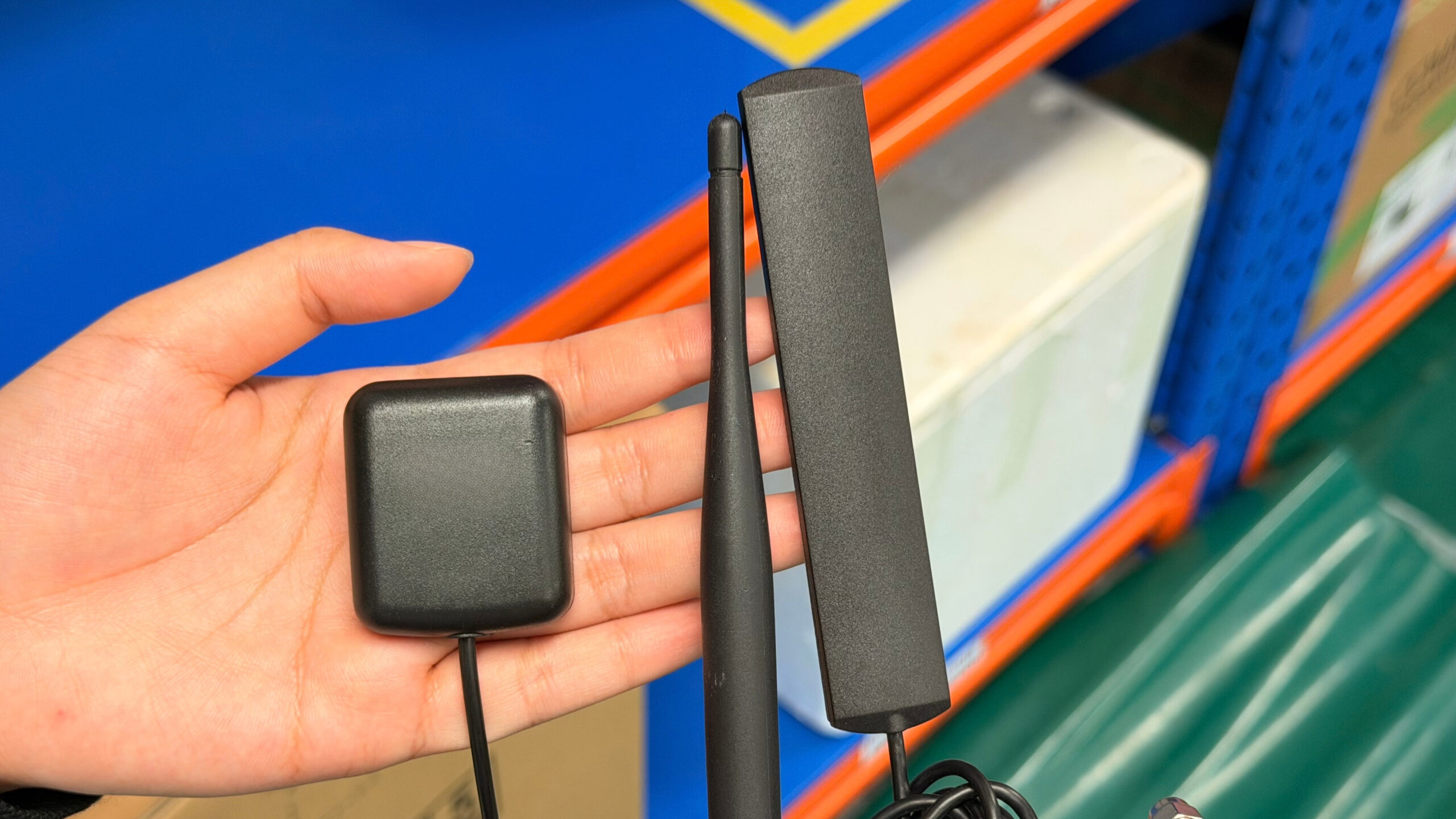
Wi-Fi module or onboard Wi-Fi router provides local connectivity between devices within the vehicle; and connect the vehicle to the Internet when it is within Wi-Fi coverage. This enables different functions such as video uploads, software updates, and synchronize data on FMS while reducing cellular data usage and connectivity costs.
Software Components
Fleet Management Software/The management platform receives and processes data sent from hardware devices installed on vehicles. This is where users access information and monitor, analyze, and manage fleet operations.
A Fleet Management System typically organizes information into different sections, such as dashboards, alerts, reports, analytics, and specialized management modules.
- Dashboard: provides an overview of vehicle locations, vehicle status, and ongoing events.
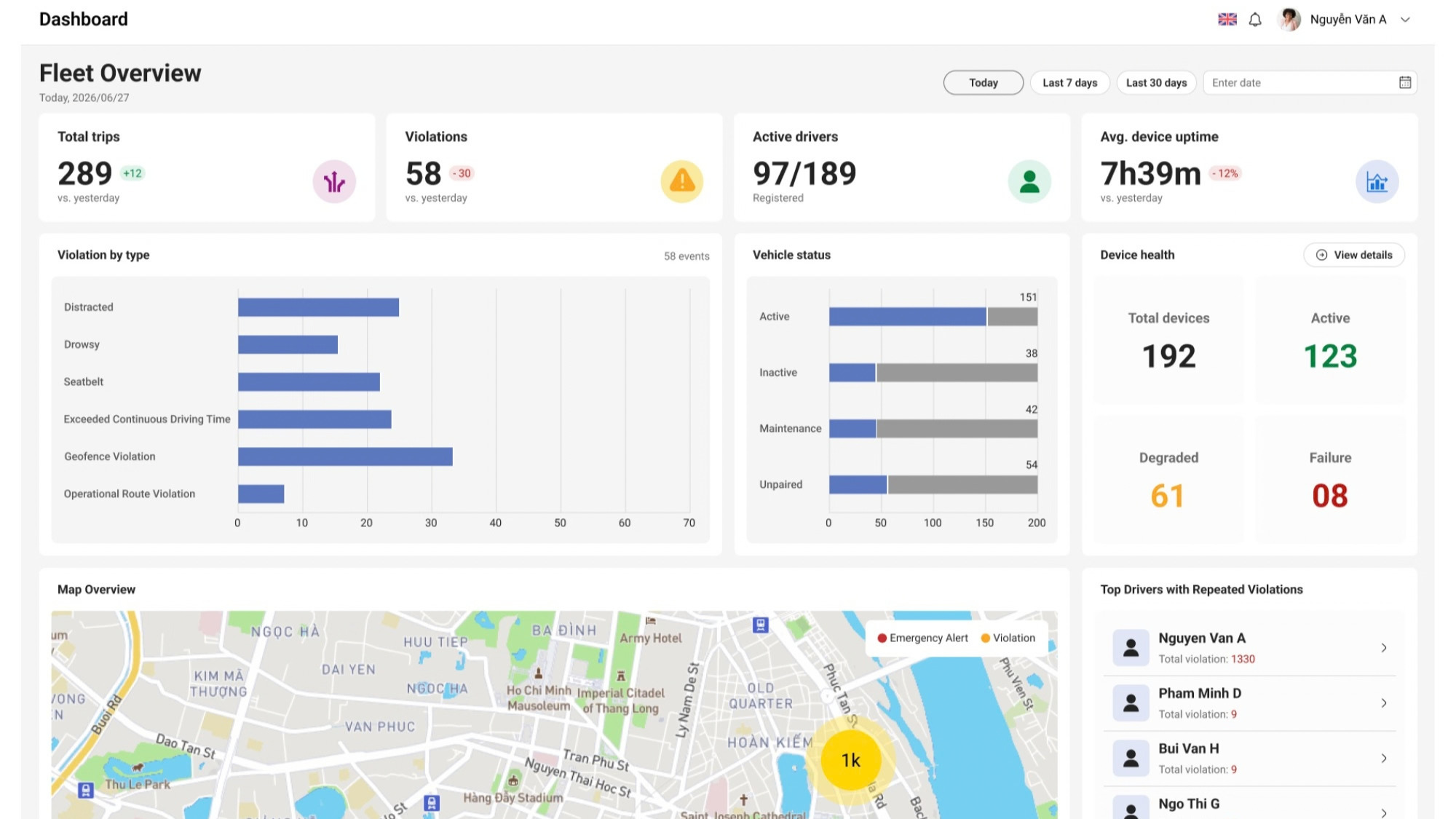
- Alerts and Notifications: used when the system detects situations that require attention, such as speeding violations or safety-related events.
- Reports and Analytics: organize data over time to help users track trends and assess fleet operations.
- Management Modules: support specific areas of fleet management, such as vehicle, driver, maintenance, fuel, or dispatch management.
Hardware and Software work together to create a data flow between vehicles and the management system. Hardware collects data from actual vehicle operations, while software brings the data together and turns it into information for monitoring, alerts, and decision-making.
Key Features of Fleet Management System
The functions available in a Fleet Management System depend on the data collected, the devices integrated, and the specific scopes of the business.
Real time vehicle tracking
Real-time tracking is one of the most common functions of a Fleet Management System.
It allows users to track the locations of multiple vehicles on a map through a single interface.
The system can also record trip history, allowing fleet managers to review vehicle journeys over a specific period, along with related data such as stop durations, speed, or destinations.
Driver behavior analysis
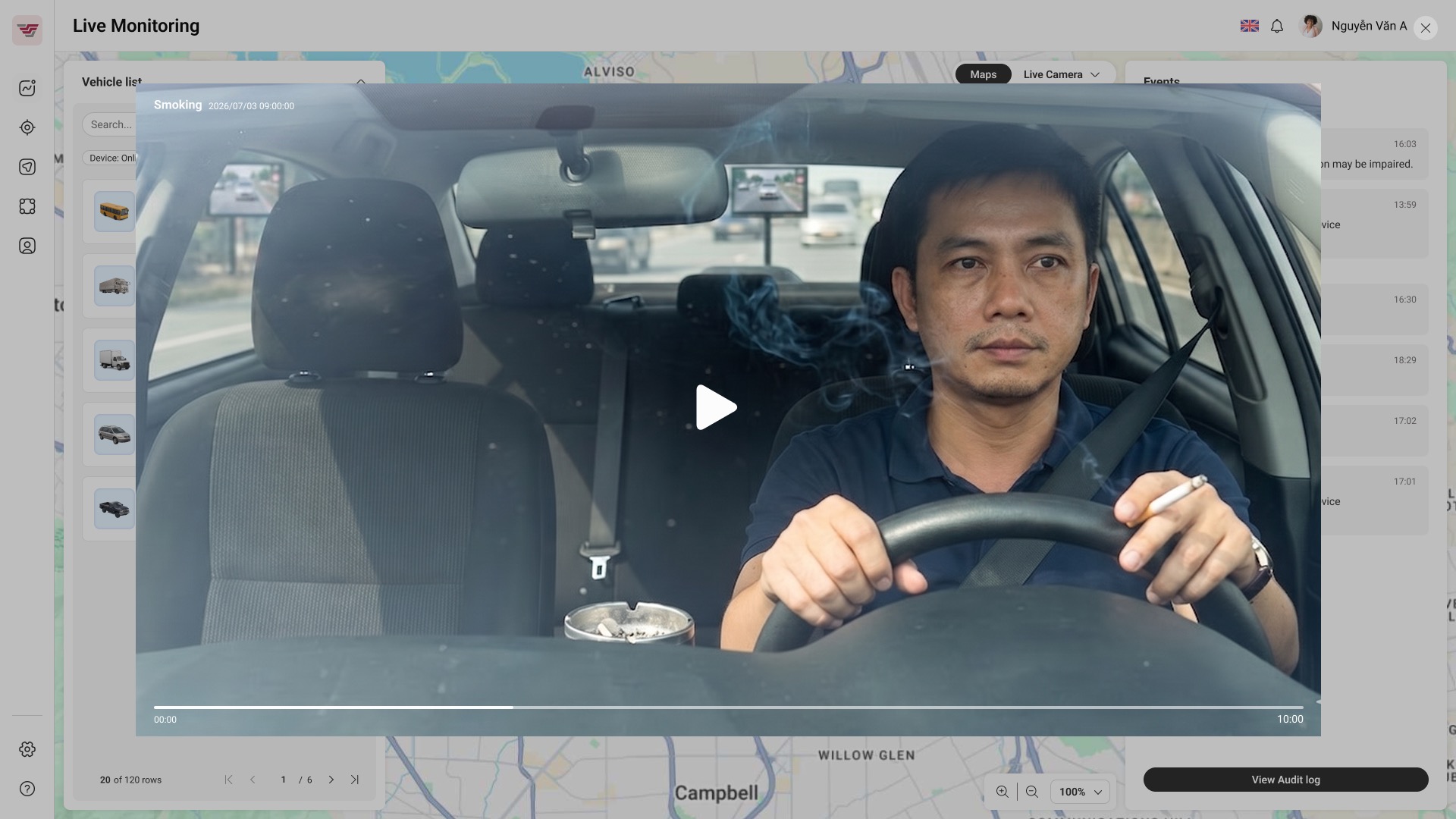
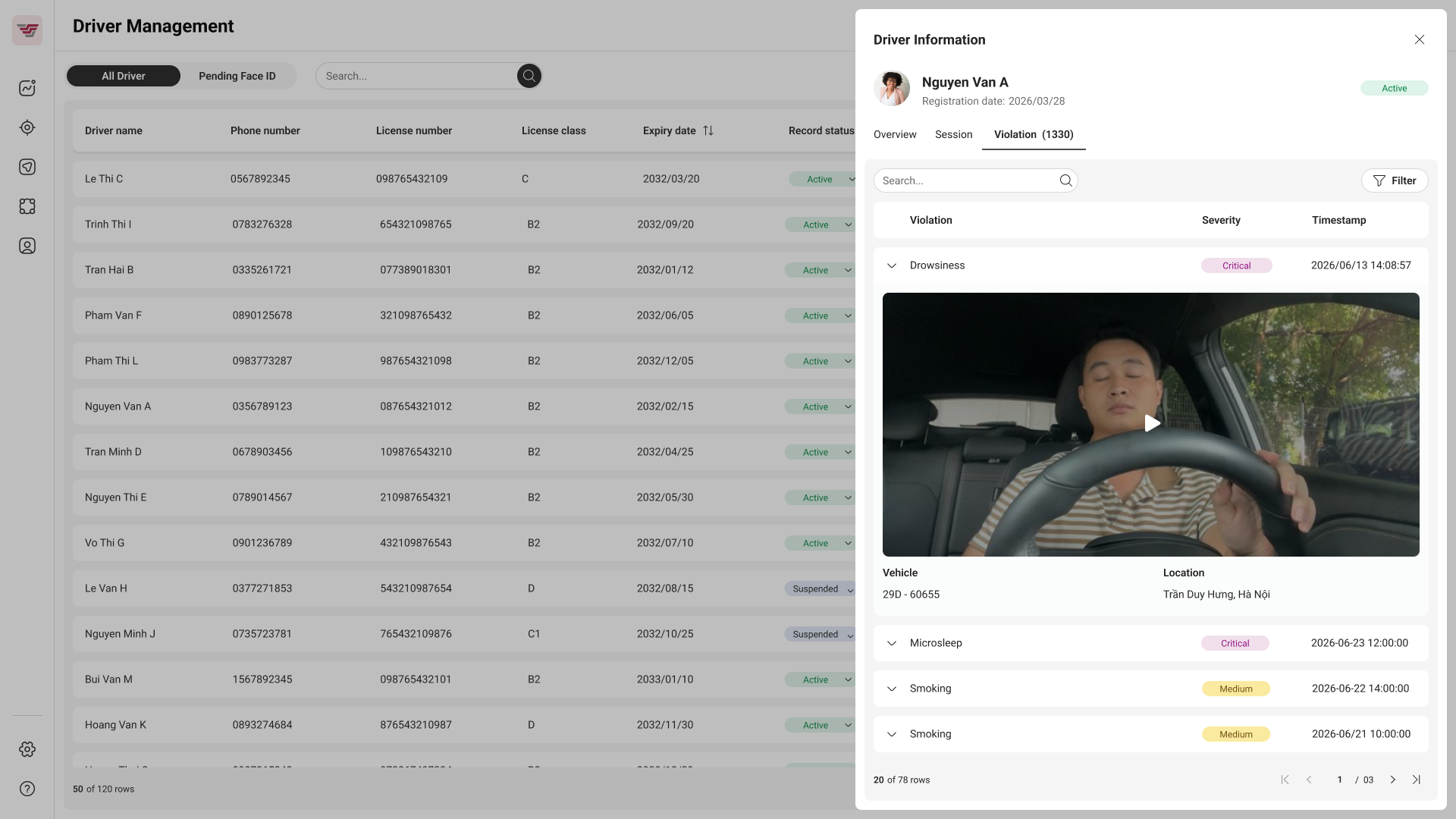
A Fleet Management System does more than track vehicle locations. It can also use operational data to identify driving events such as rapid acceleration, harsh braking, speeding, or following too closely.
When integrated with cameras and AI, the system can also analyze video data to detect behaviors or conditions such as driver distraction, drowsiness, phone usage, or smoking.
These events can be categorized and consolidated by driver, vehicle, and defined time periods to support driver assessment and training.
Predictive Maintenance Management
Fleet Management System can track vehicle usage time, mileage, and other vehicle status data to support maintenance planning.
Depending on the data integrated into the system, it can also identify abnormal conditions or generate alerts when a vehicle reaches a certain threshold that requires inspection
This approach allows businesses to use operational data as an additional input for maintenance planning.
Fuel management
The fuel management function in a Fleet Management System can record fuel consumption data and combine it with other information such as distance traveled and operating time to calculate average fuel consumption by route.
This data can also be used to identify unusual fluctuations, for example: a rapid decrease in fuel levels that is not consistent with the distance traveled.
Compliance management
Depending on the system configuration and management requirements, a Fleet Management System can support the monitoring of criteria such as speed, driving time, maintenance schedules, or operating rules established by the business.
When actual data exceeds a specified threshold or does not comply with an established rule, the system can record the event and send an alert for the fleet manager to review.
Automated Reporting
Fleet managers can configure the types of data, entities, time periods, and reporting frequency to be included in the reports.
The Fleet Management System can then automatically generate reports according to the set schedule, keeping key metrics updated on a daily, weekly, or monthly basis without requiring the entire data compilation process to be repeated manually.
What are the benefits of Fleet Management System?
The value of a Fleet Management System lies in its ability to consolidate data from vehicles and drivers, giving businesses a better basis for monitoring operations and data-driven decision making.
Safety Management Support
Fleet Management System helps businesses shift from reactive management to proactive risk prevention across fleet operations. Instead of only responding after an issue occurs, businesses can identify early signs of risk and take action before a serious incident takes place, such as:
- Reduce the risk of accidents by identifying dangerous driving patterns and providing targeted driver training.
- Enhance the protection of vehicles, cargo, assets, and drivers by improving visibility throughout the journey.
- Reduce reliance on manual monitoring and driver-reported information.
- Create a safer management environment by encouraging drivers to maintain consistent driving behavior.
- Support the investigation of accidents, disputes, or losses by providing data to help define causes and liability
Improve Cost Control and Operational Efficiency
Data on speed, driver behavior, location, and journey events helps managers identify situations requiring attention.
In actual operations, Fleet Management System helps businesses gain visibility into the costs and resources related to their fleet within a single system:
- Increase fleet productivity by using vehicles, drivers, and operating time efficiently.
- Reduce fuel costs by using optimized routes.
- Reduce repair costs by shifting from fixed maintenance schedules to maintenance based on the actual condition of vehicles.
- Minimize unplanned vehicle downtime, helping maintain service availability and revenue.
- Extend vehicle lifespan by identifying technical issues early and maintaining vehicles in proper operating condition.
- Reduce labor costs and data processing time by automating tracking, data compilation, and reporting processes.
- Improve transparency in identifying the causes of waste, rather than relying solely on total costs at the end of a reporting period.
However, the level of improvement and operational efficiency depends on the system configuration, data quality, and how the business uses the information throughout its operations.
Support Compliance Monitoring
For fleets with a large number of vehicles and drivers, manually reviewing all operations can become increasingly impractical. By implementing a Fleet Management System, businesses can manage fleet operations based on predefined rules, helping managers better understand industry-specific operational requirements and giving them more time to make informed decisions.
- Support drivers in staying within permitted driving hours.
- Reduce safety risks associated with driver fatigue, distraction, and delayed reactions while driving.
- Enable proactive monitoring and alerts for speeding or unsafe driving behavior which could lead to an unsafe following distance.
- Maintain compliance records to help identify violations, reduce the risk of penalties, and minimize operational disruptions.
- Promote a stronger safety culture across fleet operations.
Data-based Assessment
Fleet Management System provides a more consistent approach to evaluating operational performance across drivers, vehicles, and routes.
- Evaluate driver performance based on safety, efficiency, compliance rather than relying solely on the number of trips or individual feedback.
- Identify the factors behind an issue, whether related to the driver, vehicle, route, operational planning, or operating conditions.
- Identify signs of declining efficiency early, before higher costs or reduced service quality become an issue.
- Measure the results of driver training, route changes, process adjustments, or vehicle maintenance.
- Support operational demand forecasting and prioritize actions based on their impact, rather than relying on individual judgment.
Fleet Management System Applications
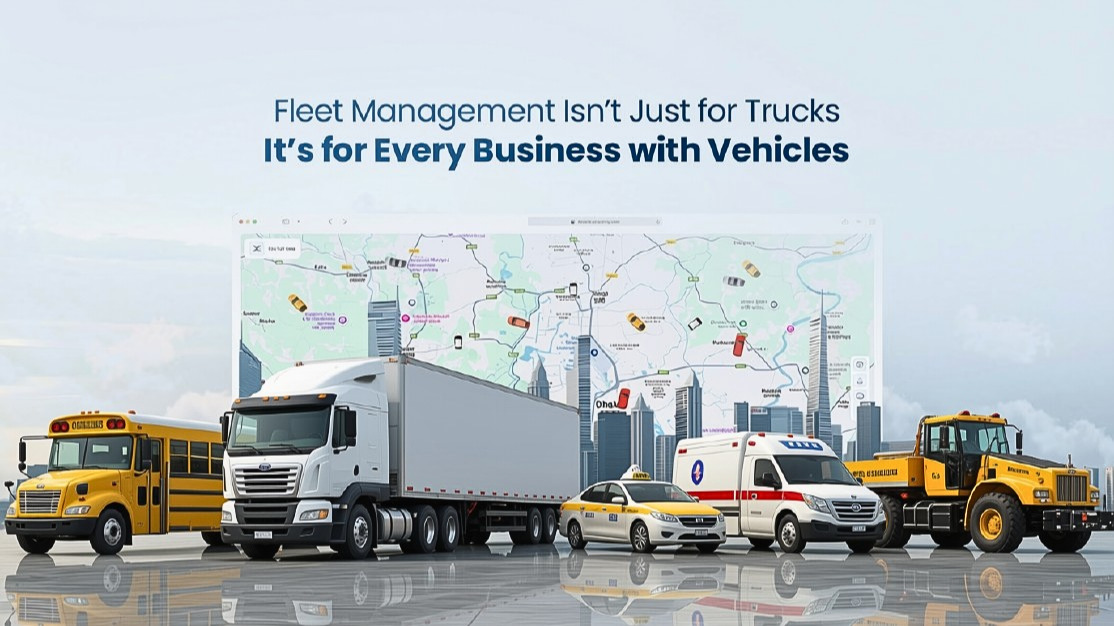
Fleet Management System is widely used by businesses and organizations that operate and manage multiple vehicles, along with their dispatch and maintenance.
- In transportation and logistics, FMS can support vehicle, trip, and status tracking, as well as dispatch operations.
- In construction, FMS can be used to monitor vehicles and equipment operating across multiple job sites or locations.
- For service fleets, FMS helps centralize vehicle information and coordinate operations across different units or assignments.
- For school transportation, location and trip data can support monitoring vehicle operations based on designated routes and schedules.
- In taxi and passenger transportation, FMS can provide data on vehicle locations, trips, and events occurring during operations.
- Specialized fleets can also configure the system according to their vehicle types, operational tasks, and specific workflows.
The functions required in each industry vary depending on the types of vehicles, the collected data, and the specific management requirements of each business.
Conclusion
Fleet Management System connects data from vehicles, drivers, and fleet operations on a single platform, enabling businesses to monitor, analyze, and manage their fleets in a more centralized manner.
Depending on fleet size, vehicle types, and operational needs, businesses can select the devices, data sources, and functions that best suit their requirements rather than applying the same configuration to every fleet.
With the growing volume of data generated during vehicle operations, the role of FMS has expanded beyond location tracking to connect data from multiple sources and help managers make practical use of this information in operations.
FAQ: Frequently asked question about Fleet Management System
What is a Fleet Management System (FMS)?
A Fleet Management System (FMS) is a system that helps businesses manage data related to vehicles, drivers, and fleet operations on a single platform. Depending on its configuration, an FMS can include functions ranging from vehicle tracking to fuel management, maintenance, safety, and asset management.
What is the difference between Fleet Management System and GPS Tracking?
GPS Tracking primarily focuses on determining vehicle location and monitoring trips. A Fleet Management System has a broader scope, combining GPS data with information from other sources to support the management of vehicles, drivers, and a wider range of fleet operations.
Can Fleet Management System integrate with cameras and other existing in-vehicle devices?
Yes. Fleet Management System can connect with cameras, tracking devices, video recording devices, and other in-vehicle equipment, depending on the system configuration. Data from these devices can be transmitted to the platform for monitoring, alerts, and fleet management.
What is the difference between a Fleet Management System and a Transportation Management System (TMS)?
A Fleet Management System focuses on managing vehicles, drivers, and data generated during fleet operations, such as vehicle location, trips, fuel consumption, maintenance, driving behavior, and safety-related events.
In contrast, a Transportation Management System (TMS) focuses more on planning and organizing transportation activities, including order management, transportation planning, route planning, trip allocation, delivery tracking, and transportation cost management.
The two systems have different focus areas but can be integrated. TMS manages transportation activities at the business process level, while FMS provides data from vehicles and drivers to support fleet operations.
RELATED NEWS
What is Fleet Management System? Components, Features, and Benefits
A Fleet Management System brings data from multiple sources together on a single platform, enabling businesses in the transportation and passenger transport sectors to monitor, analyze, and manage their fleet operations more effectively and comprehensively. Fleet management requires businesses to monitor vehicles, drivers, and a wide range of operational data...
Vietsol Wins Pizza Pitching, Advances to Top 20 of Next Wave of Startups 2026
Vietsol was named the sole winner of the Pizza Pitching session at the Ecosystem Meetup held in Ho Chi Minh City on September 19, securing a place in the Top 20 of the Next Wave of Startups 2026 Accelerator Program. The Ecosystem Meetup marked the opening of Next Wave of...
Safe Following Distance on Highway: Regulations and Practical Challenges
Safe following distance on highway is regulated based on vehicle speed, with minimum distances ranging from 35 m to 100 m. However, at high speeds, accurately estimating the distance between vehicles can be challenging. Starting August 27, 2026, the Traffic Police began taking action against violations of highway safety distance...